Token launchpad on Robinhood Chain

Launch a token whose fees and limits change on a timetable you set once: strict at launch to stop snipers, easing as it grows. After launch nobody can change it, not even you.

Robinhood Chain

How it works in 30 seconds

  1. Pick the rules

    Start from a ready-made rule set or build your own: buy and sell fees, a fee on early buys, a max wallet, a share of fees for holders.

  2. Set the timetable, then launch

    Every rule gets a schedule. Launching locks it: no admin key, no edits, every future change visible from day one.

  3. It trades from the first block

    The token gets its own pool with locked liquidity. The rules apply to every trade by themselves, exactly as published.

Example: a sniper feeAn extra fee on buys, added on top of the buy fee, high right after launch when bots try to buy first. It follows its schedule, usually down to zero. from the Quench rule set, on every buy in the first hour

  1. At launch30%
  2. Minute 519.7%
  3. Minute 158.4%
  4. Minute 302.3%
  5. Minute 600%

Bots that buy in the first seconds pay the most; by the end of the hour, buyers pay no extra fee. This timetable was public before the first buy and can never change.

The launch problem

Strict rules protect buyers at the start and hurt them later. A key to change the rules asks holders for trust. MOLD takes a third path.

Fixed rules

Heavy fees and wallet caps stop the first-block snipers, then keep taxing ordinary trading for months.

Strength: Predictable
Weakness: Fits one moment only
Weakness: Chokes trading later

An admin key

The creator keeps a key to loosen the rules later. Holders have to trust every change will be fair.

Strength: Can adapt
Weakness: Changes nobody saw coming
Weakness: Trust in one wallet

A sealed schedule

The creator decides the whole path at Pour and loses the power to change it. Rules move, but only as published.

Strength: Adapts over time
Strength: Every change visible up front
Strength: No key to trust

A token’s life, in four stages

Every MOLD token goes through the same four stages, named after casting metal: launch, the opening window, the long middle, and the moment the rules freeze. Scroll on and the cast changes with each stage. The figures show Slow Cure, one of the ready-made rule sets: a sell fee and a max wallet that ease from launch to the end.

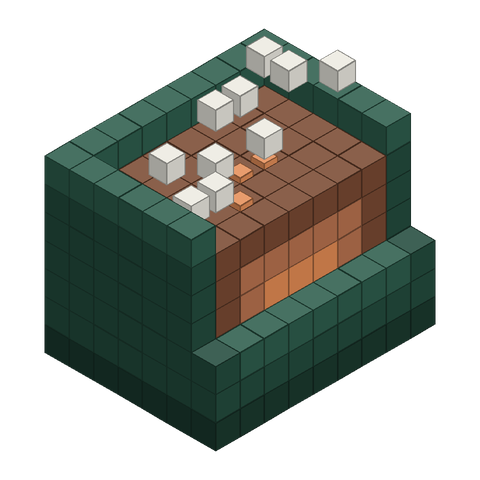
Pour = launch: molten metal fills the empty mold once, the way the rules are set once.
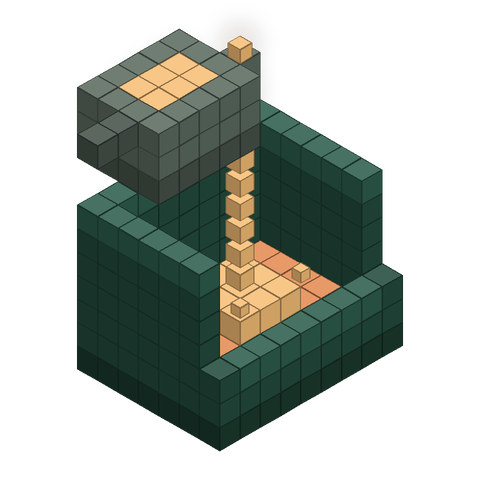
01 · Pour = launch

The launch. The token is created, its whole timetable of fees and limits is sealed, and its pool opens, all in one transaction. From here nobody can edit the rules: not the creator, not the MOLD team.
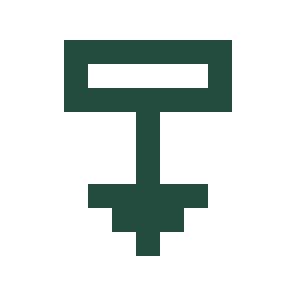
Sell fee 5%Max wallet 1% of supply

02 · Set = the opening window

The opening window after launch (its length is chosen at Pour), when snipers and bots try to buy first. Rules are usually at their toughest here and can start easing right away, as often as every second.

Sell fee 5%Max wallet 1% of supply
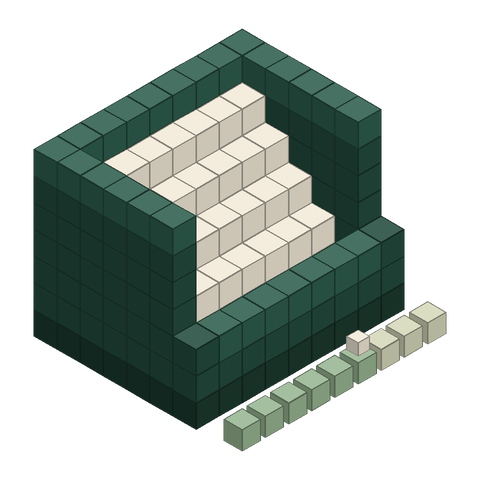
03 · Cure = the long middle

The long middle. Fees and limits follow their curves while the token trades, exactly as anyone could read on day one.

Sell fee 4.5%Max wallet 10.9% of supply
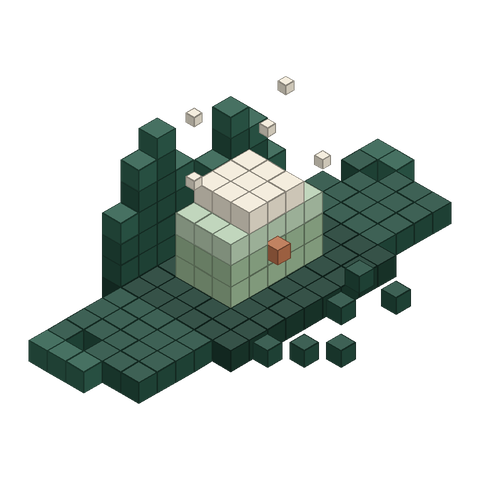
04 · Break = rules freeze

On the date the creator chose, or once every schedule has run its course, the time, volume and holder clocks freeze and those values stop moving for good. Rules set by holding age keep following each wallet’s age.

Sell fee 0%Max wallet No limit

Try it · the Quench rule set

Quench charges a 30% fee on buys at launch that falls to nothing within an hour. Move the time and see what a 0.5 ETH buy would pay.

Sniper fee over the first hour

Ready-madeMOLD’s preset value for this ready mold. Whatever a creator launches is sealed into the token for good.
0%20%40%Pour15 min30 min45 min1 h30%0%30% at Pour

At 0.0 min

30%
Buy0.5 ETH
Sniper fee0.1500 ETH
Goes into the swap0.3500 ETH
Pool fee (0.3% of that)0.00105 ETH

Quench’s numbers are its ready-made values. The sniper fee goes 80% to the creator and 20% to MOLD. Dollar values use the live ETH price.

Edit this schedule in the Lab

Holding age (grain)

Each wallet’s holding remembers when it was bought and last sold. A token can charge someone who held for two days more than someone who held for six weeks. Selling resets the clock; buying more doesn’t.

Selling 1 ETH worth: 100 blocks

Holder A, held 2 days · fee 4%receives 0.957 ETH
Holder B, held 45 days · fee 0%receives 0.997 ETH
KeptTo holdersBurnedTo MOLD (20% of the fee, from within it)Pool fee (0.3%, rounded up to one block)

Under the hood

Token

One per launch, with no owner. Stores its schedule and each wallet’s holding age; applies max wallet and the creator lock.

Foundry

The launcher. Creates the token, seals its schedule, opens its pool and locks the liquidity.

MOLD hook

Attached to every MOLD pool. It reads the token’s rules and takes the fees on every trade.

Router

Buys and sells through MOLD pools, with quotes that match execution. Standard routers work too.

Questions

The full design is summarised in the docs.

What is MOLD?

A token standard and launchpad on Robinhood Chain. When a token launches, its creator commits to a full schedule for every rule (fees, limits, the creator lock and holder rewards) from the first block to a final frozen state. Contracts follow that schedule with no owner and no admin key.

Where do MOLD tokens trade?

In their own pool on Robinhood Chain, from the first block. At Pour the Foundry places the whole supply in that pool and locks it permanently, and the MOLD hook on the pool applies the token’s scheduled rules to every trade. You trade right on the token’s page; your wallet signs every trade.

Can a creator change the rules after launch?

No. Schedules are written and sealed at Pour and have no setter functions. Rules still move, but only along the path anyone could read before buying. There is no owner, admin or upgrade key (every token’s owner() is the zero address), and nobody, creator or MOLD, can change a token, remove its liquidity or redirect MOLD’s fee share.

What is grain?

A small record kept with each holding: when the wallet first held the token, when it last sold, and its average buy price. Rules can read it, so a two-day holder and a two-month holder can pay different fees on the same trade. Selling resets the age, buying more keeps it, and tokens moved between wallets blend the age by amount.

Do I need a wallet?

Only to launch or trade. The Schedule Lab, How it works and the Launch form’s design steps work without one. Connecting shares your public address; the site then shows your ETH balance and network, and every transaction is shown in your wallet for approval first.

Where do the numbers on this site come from?

Each ready mold uses MOLD’s ready-made values, which you can launch as they are or change. The worked examples on How it works and Home run those rules against a pool at its starting price so you can see every cut, MOLD’s 20% share included. ETH prices are live from CoinGecko, token data is read from the contracts, and balances come from your own wallet.

Why Robinhood Chain?

It is an Ethereum Layer 2 on the Arbitrum stack with ETH for gas (chain ID 4663). Its blocks arrive about every 100 ms, and a time schedule can change every second; standard EVM tooling and explorers are available. MOLD does not depend on any chain incentive program.

What are the risks?

Smart-contract bugs could lose funds: MOLD’s contracts are public and verified, but they have not been independently audited. A creator can seal a poor or unfair schedule: MOLD makes it visible, not good. The chain’s sequencer is run centrally. Some wallets and trackers may not show a pool’s rule fees clearly. Rules on token launches differ by country and can change.